Early Life and the Turning Point of 1970
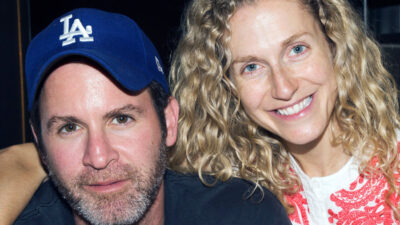
Marilynn Levy entered public view through marriage, not through celebrity ambition. On October 24, 1970, she married Rod Carew. That date became a hinge in her life. It joined a private woman to a very public athlete. The union created a household that would live under scrutiny for decades.
Her story cannot be separated from the era. Professional baseball brought glamour, travel, and relentless attention. Marilynn stood near that storm without becoming its loudest voice. Her presence was quieter, yet no less consequential. She helped shape a family life that endured outside the scoreboard.
Marilynn was Jewish, and that faith mattered inside the marriage. Rod Carew came from a different background. Their home became a place where two histories had to coexist. That kind of coexistence demands patience, tact, and moral steadiness. It also asks for compromise from every corner of a family.
Marriage and Household Life
The marriage lasted for about 30 years. Those years stretched from 1970 to around 2000. They included cities, ballparks, synagogues, hospitals, and home. Such a span is not a simple line. It is a dense weave of ordinary duties and sudden shocks.
Rod Carew was known by fans for his batting records. Within the family, he was also a husband and father. Marilynn’s role was not ornamental. She managed the domestic center that fame often disrupts. That work rarely appears in box scores or headlines.
The couple made deliberate choices about family life. They raised their children within the Jewish community. Temple attendance, family dinners, and ritual observance became part of the household rhythm. These choices show intention rather than accident. They reveal a family identity built with care.
Daughters and Family Responsibility
Marilynn and Rod had three daughters. Their names were Charryse, Stephanie, and Michelle. Each daughter occupied a distinct place in the family story. Each one also carried part of the household burden when hardship arrived. Sibling roles became more pronounced during the family’s difficult years.
Charryse was the eldest. She appears in recollections as a steady figure. By the mid 1990s, she was in college and still helping at home. That combination is revealing. It shows how education and caregiving can collide in one young life.
Stephanie also attended college during the family’s distress. She stepped into responsibility with little warning. The movement from student life to caretaker life can be abrupt. Her presence helped sustain the family through a punishing season. Such transitions often remain invisible to outsiders.
Michelle was the youngest daughter. She was born in 1977. Her life became central to the family’s later grief. The dates around her story are stark and precise. They deserve to be remembered exactly.
Michelle and the 1995 Crisis
In September 1995, Michelle Siarra Carew was diagnosed with leukemia. The diagnosis changed everything immediately. Hospitals, tests, and anxious waiting became part of daily life. A public search for a bone marrow match followed. That search reflected both hope and desperation.
Michelle died on April 17, 1996. She was 18 years old. Those numbers carry heavy weight. 1977 marked her birth. 1995 marked the illness. 1996 marked her death. In families touched by illness, dates can feel like carved stones.
The loss shaped the family profoundly. It also altered the public image surrounding them. A sporting household had to absorb a private tragedy in full view. That kind of sorrow does not stay neat. It spreads into memory, language, and ritual.
Faith and Community at Temple Beth Sholom
Temple Beth Sholom served as a spiritual anchor. The synagogue was more than architecture. It was a place of belonging, continuity, and communal witness. Family rituals unfolded there, including bat mitzvahs and services. Such rites give form to memory.
Jewish life provided structure during ordinary seasons. It also provided shelter during grief. Faith communities can become repositories of endurance. They hold birthdays, prayers, and mourning alike. Marilynn’s family life was shaped within that sacred frame.
Temple life also revealed a deeper household commitment. It was not merely symbolic. It helped define the children’s upbringing and the family’s public identity. That choice spoke with a clarity words sometimes lack. It made the home legible to its own tradition.
Remembrance and Public Memory at Angel Stadium
Public remembrance sometimes gathers near places of sport. Angel Stadium became one such place in this story. A memorial there linked baseball culture with personal loss. That combination can feel unusual. Yet it fits the life of a family bound to a baseball figure.
A stadium memorial creates a shared threshold. Crowds arrive for games, but memory lingers beside them. Such markers let private grief enter communal space. They also remind observers that athletes have families with histories. Fame never fully erases sorrow.
The memorial gesture mattered because it widened remembrance. Michelle’s life did not remain only within hospital walls or family rooms. It was placed in a public setting with symbolic force. That act joined public recognition to private mourning. It made remembrance visible.
Private Presence and Public Silence
Marilynn Levy did not build a public career in sports or business. Her record remains largely domestic and familial. That does not diminish her importance. It highlights a different kind of labor. Family stewardship is often quiet, but it is not slight.
Public records do not offer a rich financial profile for Marilynn. There is little reliable data about net worth or holdings. That absence should not be filled with invention. Privacy can be a boundary, not a void. Silence sometimes signals deliberate restraint.
Her public identity remained modest beside Rod Carew’s fame. Still, the household itself was an achievement. Managing a family under media attention requires discipline. Managing it through illness requires resilience. Marilynn’s life reflects both.
Extended Timeline
| Date | Event |
|---|---|
| October 24, 1970 | Marilynn Levy married Rod Carew |
| 1977 | Michelle Siarra Carew was born |
| September 1995 | Michelle was diagnosed with leukemia |
| April 17, 1996 | Michelle died at age 18 |
| Circa 2000 | Marilynn and Rod Carew divorced |
| December 2001 | Rod Carew remarried |
The timeline gives structure to a longer human story. Each entry marks a hinge in family life. Yet the intervals matter just as much. Those years held routines, rituals, illnesses, and ordinary effort. A family is built inside those stretches.
The chronology also shows how public and private events intertwine. Marriage, illness, grief, and divorce all became part of a larger narrative. The dates are precise because memory needs anchors. They do not explain everything. Still, they protect the story from blur.
Key Takeaways
Marilynn Levy is best understood as a private figure with enduring historical presence. She was Rod Carew’s first wife and the mother of three daughters. Her life centered on family, faith, and the burdens of caregiving. That role unfolded over roughly 30 years of marriage.
Her story also carries deeper themes. It shows how Jewish tradition shaped home life. It shows how a family faced leukemia and loss in public view. It also shows how remembrance can live in synagogues, homes, and stadiums. These details give her life a firm and human outline.