Background and immediate family
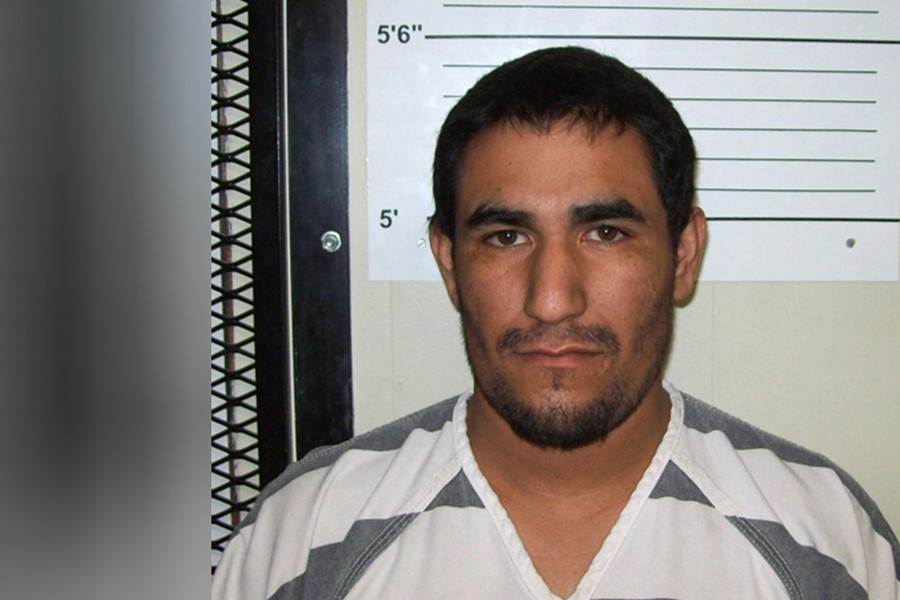
Zachary Paul Koehn appears in public records as a rural Iowa resident. His name became widely known through a tragic criminal case involving his household. That household included Cheyanne Harris, his partner, and their infant son, Sterling Daniel Koehn.
The family also included at least one other young child. Public filings mention that child only in limited terms. Such records are laconic by design, yet they still suggest a crowded and fragile domestic setting.
The family remained largely unremarkable to the public before the case erupted. Afterward, every available detail acquired unusual weight. Dates, names, and relationships became the backbone of public understanding.
Sterling Daniel Koehn
Sterling Daniel Koehn was born on 2017-05-01. He died on 2017-08-30. His life lasted 121 days, a span so brief it seems almost unreal.
Those two dates define the center of the story. They are the starkest entries in the public record. They also shape every legal and emotional response that followed.
Sterling’s name appears in court materials, medical examiner notes, and courtroom testimony. He also appears in memorial posts and community reflections. Those smaller tributes could not alter the legal outcome, but they preserved his individuality.
The record around Sterling is both precise and incomplete. It tells when he lived and when he died. It does not fully capture what his short life felt like inside the home.
The legal arc
The criminal case moved quickly once authorities intervened. In October 2017, Zachary Koehn and Cheyanne Harris were charged with first degree murder and child endangerment. The charges reflected the gravity of the allegations surrounding Sterling’s death.
The case then proceeded through trial, verdict, and sentencing. A jury convicted Zachary in November 2018. In December 2018, he received a life sentence.
That progression turned a private catastrophe into a formal judicial record. Each procedural milestone added another layer of finality. The calendar became a ledger of grief and punishment.
| Date | Event |
|---|---|
| 2017-05-01 | Sterling Daniel Koehn was born |
| 2017-08-30 | Sterling died |
| 2017-10 | Charges were filed against Zachary Koehn and Cheyanne Harris |
| 2018-11 | A jury convicted Zachary Koehn |
| 2018-12 | Zachary Koehn was sentenced to life imprisonment |
| 2020-11-04 | An appellate opinion addressed the appeal |
| 2021 to 2025 | Post conviction filings and related proceedings continued |
| 2025 | Public legal news noted representation and procedural developments |
The table compresses years of litigation into a few terse lines. That compression is practical, but it is also cruel. Legal systems love chronology, while families live inside aftermath.
Appeal and post conviction developments
The trial did not end the case’s procedural life. An appellate opinion arrived on 2020-11-04. That decision addressed issues raised in the appeal and kept the case active in the legal system.
Later years brought further filings and procedural activity. Post conviction matters continued through 2025. Public reports also noted representation concerns and restoration of procedural compliance.
These later developments show how a case can persist long after sentencing. Prison terms are static, but litigation remains kinetic. Paperwork, deadlines, and counsel changes can stretch a case across many years.
The appeal process is often invisible to the public. Yet for the parties, it can be exhausting and exacting. It is a second arena where the same facts are tested again.
Career and finances in public view
Public information about Zachary Koehn’s career is sparse. No clear professional biography emerges from the materials reviewed. There is no notable public record of business achievements or professional honors.
The same silence surrounds finances. No public declarations illuminate private assets or income. The available record focuses almost entirely on criminal proceedings.
That absence matters because it narrows the portrait. A life is usually made from labor, routines, and ordinary ambition. Here, those details remain mostly opaque.
The public gaze found tragedy, not vocation. It found charges, verdicts, and sentencing. It did not find a well documented civilian identity to balance the record.
Public perception and memorial spaces
Once the case reached broad attention, it spilled into more informal corners of the web. Memorial pages, community posts, and social discussions appeared. They carried grief, anger, and occasional confusion.
Those spaces can feel intimate, but they are not always reliable. Emotion often outruns verification. Rumor can attach itself to sorrow with startling speed.
Even so, these reactions reveal something important. People were not merely watching a case file. They were responding to the death of a child and the collapse of a family.
Community memory does not erase the court record. It supplements it with texture and sentiment. Together, they show both juridical fact and human recoil.
What the records leave open
Public documents provide a firm outline, but not a complete biography. They confirm names, dates, charges, and outcomes. They do not fully reveal household rhythms, personal histories, or private relationships.
Extended family members are only occasionally mentioned. Private addresses and financial specifics remain outside the public record reviewed here. That restraint is important, especially in a case involving a child.
The gaps are not empty in an emotional sense. They are full of unrecorded life. Still, responsible writing must respect what remains unverified.
A careful account accepts boundaries. It states what is known and withholds what is not. That discipline keeps the narrative grounded and less speculative.
Key Takeaways
Zachary Paul Koehn became known through one of the most painful kinds of criminal proceedings. His name is tied to the death of his infant son, Sterling Daniel Koehn. The case moved from charges in 2017 to a life sentence in 2018.
Sterling’s brief life remains the emotional center of the record. He was born on 2017-05-01 and died on 2017-08-30. Those dates define the human cost more clearly than any court label can.
The later legal history shows that the case did not stop at sentencing. An appellate opinion issued on 2020-11-04. Post conviction matters continued through 2025, showing the prolonged nature of criminal litigation.
Public discussion also exposed a thin line between fact and feeling. Memorial pages and community posts preserved grief. Yet the formal record still governs what can be stated with confidence.