Early Life in Minnesota
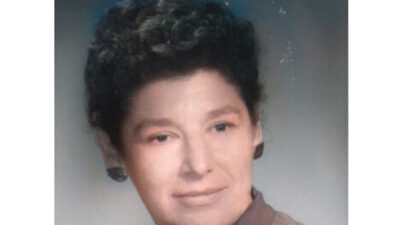
Danielle Therese Sparks Lewis was born on December 31, 1966, in Watertown, Minnesota. Her family knew her as Dana, a softer name that suggested intimacy and warmth. She grew up within a compact household shaped by movement, discipline, and affection. Her life began in the final hours of one year and quickly became woven into another family story.
Her parents were Patrick Michael Sparks and Jill Emma Marie, née Thoene, Sparks. She had two brothers, Michael Earl Sparks and Nicholas Charles Sparks. The three siblings formed a close constellation during their childhood. That sibling bond later became important in public remembrance. It also helped shape one of modern fiction’s most widely known love stories.
Danielle’s private life stayed largely outside public scrutiny. That restraint gives her story a rare dignity. She was not celebrated for a profession or a public platform. Instead, she became remembered through character, family, and literary echo. Her name survives through tenderness rather than spectacle.
Family Ties and Household Character
The Sparks family is often described as studious and steadfast. Patrick Michael Sparks worked as a business professor. Jill Emma Marie was often described as a homemaker and optometrist’s assistant. Their household appears to have valued learning, endurance, and practical affection. Those traits can be traced through the public profiles of the siblings.
Nicholas Charles Sparks became a bestselling novelist. He was born on December 31, 1965, exactly one year before Danielle. Michael Earl, often called Micah, maintained a quieter public presence. Danielle remained the sister whose life would later carry unusual literary resonance. Together, the family formed a triad of memory, talent, and perseverance.
Public accounts suggest that Danielle married and used the surname Lewis. Her children, if any, are not widely documented. That privacy matters, because it shapes the way her life is discussed. People speak most often about her kindness, illness, and influence. Those details have become the public outline of a very personal existence.
A Short Life Marked by Courage
Danielle died on June 2, 2000, in Sacramento, California. She was thirty three years old. Public commentary often describes her death as cancer, frequently a brain tumor. That phrasing appears repeatedly in discussions of her life. It reflects both medical severity and the blurred nature of public memory.
Her illness occupies a central place in stories about her. Yet the emphasis is not only on suffering. It is also on grace under pressure. Family remembrance gives her a reputation for quiet fortitude. That quality became more enduring than any formal biography.
Illness often strips life down to essentials. In Danielle’s case, the essentials were love, family, and spiritual steadiness. Those elements later entered fiction with unusual force. Her experience became a kind of emotional architecture. It offered a narrative core that readers still recognize.
From Life to Literature
Nicholas Sparks published A Walk to Remember in 1999. The novel drew inspiration from Danielle’s life and from the emotional atmosphere surrounding her illness. The story was not a literal biography. It was a transmutation of memory into fiction. That transformation gave the novel its plaintive power.
Readers encountered Jamie Sullivan, a character whose gentleness and resolve carry the novel. Jamie reflects an emotional truth tied to Danielle. The resemblance is thematic, not documentary. The book presents devotion, fragility, and faith in a luminous register. Those themes gave the novel broad appeal.
The 2002 film adaptation extended that remembrance. It was dedicated to Danielle’s memory. That dedication ensured her name reached audiences who never read the novel. The film translated private loss into public sentiment. In doing so, it made Danielle’s influence even more visible.
The timing is significant. The book appeared before her death. The film followed two years later. That sequence altered the emotional meaning of both works. What began as inspiration became memorial. The art gained additional poignancy after June 2, 2000.
Timeline of a Quietly Lasting Story
| Date | Event | Significance |
|---|---|---|
| December 31, 1966 | Danielle Sparks was born in Watertown, Minnesota | Her life began at the close of a year |
| 1970s and 1980s | She grew up with Micah and Nicholas | Family bonds shaped the household |
| 1999 | A Walk to Remember was published | Her life helped inspire the novel |
| June 2, 2000 | Danielle Sparks Lewis died in Sacramento | Her family and readers marked the loss |
| 2002 | The film adaptation was released | The dedication carried her memory forward |
| 2000s to present | Interviews and retrospectives continue | Her influence remains part of cultural memory |
This timeline condenses a far richer emotional history. Numbers can map events, but not intimacy. They can name dates, not devotion. Even so, the dates matter because they frame remembrance. They show how one life moved into literature and then into popular culture.
The Sparks Family Ethos
The family ethos appears rooted in loyalty and persistence. Patrick Michael Sparks brought academic rigor to the home. Jill Emma Marie brought steadiness and care. Their children seem to have inherited a strong sense of mutual responsibility. That atmosphere helped Danielle endure her illness with notable composure.
Public tributes to Danielle often soften in tone. That tonal shift reveals how deeply she is folded into family memory. Nicholas Sparks has frequently linked her to his work. His remarks suggest a reverent and grateful remembrance. The result is a family narrative marked by affection rather than publicity.
One detail often noted is that Nicholas has five children. Reports suggest that one daughter’s middle name honors Danielle. If true, that gesture extends the family tribute across generations. It also shows how memory can become domestic inheritance. Names may carry grief, gratitude, and continuity all at once.
Public Memory and Private Boundaries
Danielle’s story is unusual because so much remains undisclosed. There is no elaborate public career to catalogue. There is no sprawling public archive of professional achievements. Instead, there is a restrained record shaped by illness, family, and literary transformation. That restraint creates a solemn sort of elegance.
Her name continues to appear when people discuss kindness, first love, and faith. Those are not accidental associations. They arise from the emotional design of A Walk to Remember. The novel and film both frame her life through tenderness. That framing keeps her memory accessible without making it reductive.
Her legacy is therefore both specific and diffuse. It is specific in dates, family names, and the dedication of a film. It is diffuse in the way readers absorb the story’s mood. Many people know the feeling before they know the facts. Danielle’s memory lives in that feeling.
Key Takeaways
Danielle Therese Sparks Lewis was born on December 31, 1966, and died on June 2, 2000. She was the younger sister of novelist Nicholas Sparks. Her life inspired A Walk to Remember, published in 1999. The 2002 film adaptation was dedicated to her memory. Public accounts describe her death as cancer, often a brain tumor. Her story endures through family remembrance and literary resonance.
Her importance lies in more than biography. She represents the rare passage from private life into cultural memory. That passage was shaped by love, illness, and artistic tribute. Her legacy remains quiet, but it is remarkably persistent.